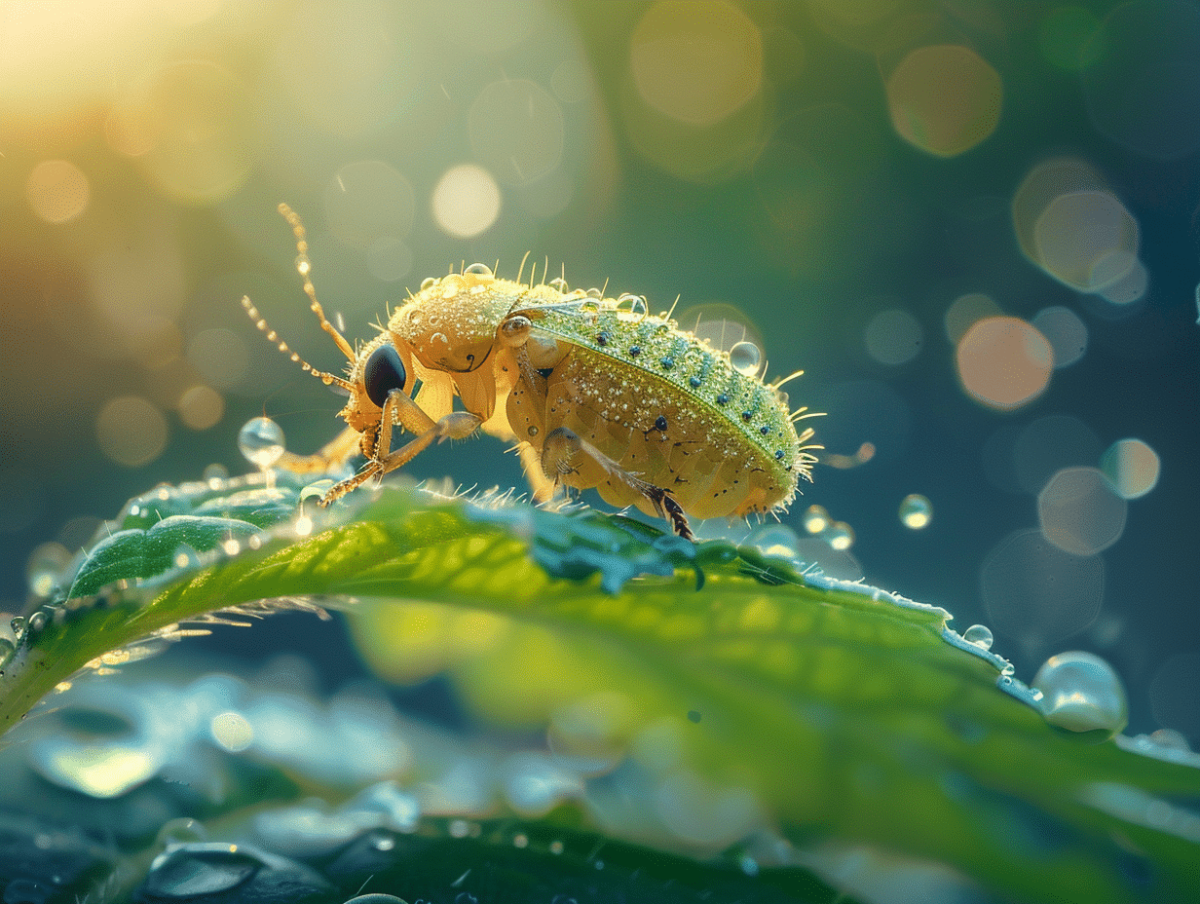
The world of insects is full of astonishing phenomena, and among them, the transformation of the maggot holds a prominent place. This creature, often associated with decomposition and simplicity, actually conceals a complex and captivating biological process. Its metamorphosis into a fly is a spectacle of nature where science and magic seem to meet. Observing the life cycle of such a common being reveals a fascinating journey through the stages of development, where the maggot mutates to become a completely different organism. This transformation is a perfect example of the wonders of evolution and adaptation in the animal kingdom.
From egg to larva: the first steps of metamorphosis
From the very beginning of their life cycle, insects with complete metamorphosis embark on a remarkable journey. The female, after mating, lays eggs that will give rise to future larvae. These eggs, tiny yet essential, are the first link in a chain of transformations that will lead to the adult. In some cases, the females of social insects invest further, taking care of the eggs and feeding the larvae that emerge from them.
The larva, often reduced to its worm-like form, with or without legs, is actually an organism in full biological effervescence. This stage, far from being static, is marked by a series of larval molts, allowing the maggot to grow, develop, and accumulate the reserves necessary for its future metamorphosis. The larva, although primitive in appearance, is therefore a site of intense metabolic activity and profound changes.
The question that often arises is: How long does it take for a maggot to become a fly? The development time, from egg to adult, varies according to species and environmental conditions, but it generally takes a few weeks. Each stage of the insect’s life is rigorously programmed and adapted to maximize the chances of survival and reproduction of the species.
Complete metamorphosis, a phenomenon that fascinates both for its complexity and perfection, thus includes the stages of egg, larva, pupa, and adult. At each stage, the insect is completely different, both in form and lifestyle, illustrating the extraordinary plasticity and adaptability of living beings.
From chrysalis to flight: the culmination of transformation
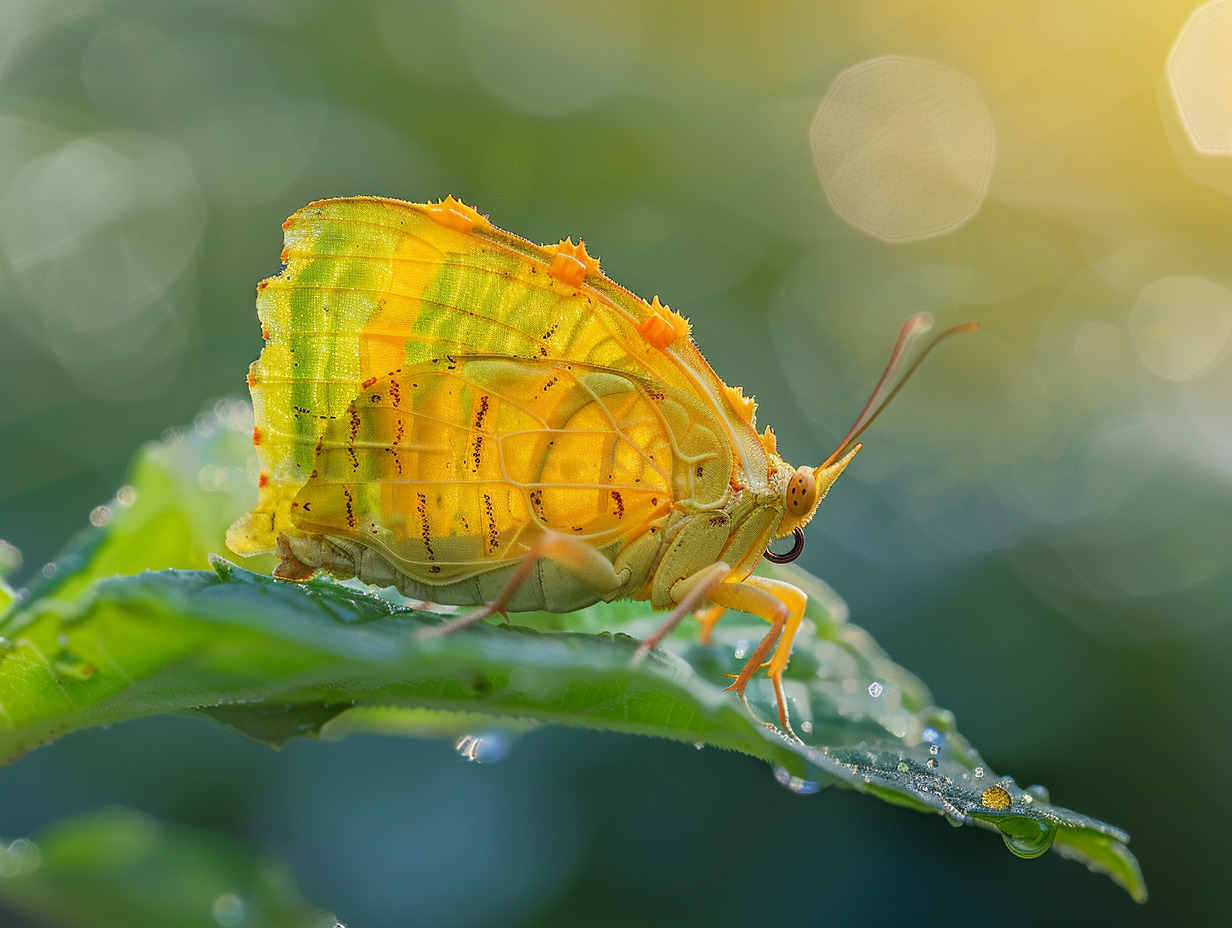
After passing through the larval stage, the insect enters a phase of pupation. The larva transforms into a pupa, an intermediate stage where it often remains motionless in the form of a chrysalis. It is within this cocoon that the most spectacular internal transformations take place. The outline of the wings, previously invisible, begins to take shape, heralding the future mobility of the adult insect.
The pupa is the stage of a radical metamorphosis where the insect, like a phoenix, reconstructs itself to emerge completely transformed. The organs of the larva are reconfigured, the structures of the adult are established, and after a variable period, the chrysalis splits to give way to the adult. This moment of emergence, when the adult insect extricates itself from its former shell, is one of the most eloquent instances of nature’s transformative power.
The adult stage is generally characterized by the presence of wings and great mobility. These new attributes offer the insect unprecedented freedom of movement, allowing it to mate, disperse, and find new food sources. The ability to reproduce, the ultimate goal of this cycle, is now within reach.
Complete metamorphosis concludes with the flight of the adult insect. The latter, far from the worm-like form of its beginnings, soars into the air, ready to perpetuate the life cycle of its species. The culmination of this process, from egg to flight, testifies to the adaptability and complexity of survival strategies in the world of insects.