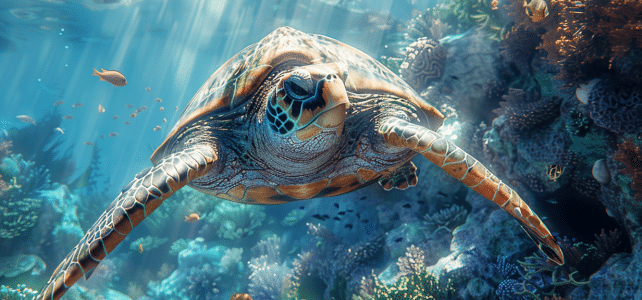
The ocean depths remain one of the last unexplored territories on the planet, a place where absolute darkness reigns and where the pressure is crushing. From the surface to the abyss that extends up to 4000 meters beneath the waves, these areas hold unsuspected scientific and biological mysteries. Strange creatures with surprising adaptations thrive there, far from sunlight, in a complex and fragile ecosystem. Exploring these seabeds is to open a fascinating chapter in understanding life on Earth, while confronting human ingenuity with the extreme challenges of underwater exploration.
Exploration and Understanding of Deep Ocean Zones
The exploration of the abyss, this little-known realm where the ‘midnight zone’ prevails, poses a major challenge for the scientific community. At these depths, sunlight is a stranger, and living conditions transform radically. Submersibles and underwater robots, true feats of modern technology, venture into these inhospitable lands to map unexplored territories and reveal the biological diversity that thrives there.
The pressure at 4000 m depth exerts an unyielding force, where only the most resilient and well-adapted species can survive. The French Research Institute for Exploitation of the Sea (IFREMER) plays a leading role in understanding these marine ecosystems. The research projects it conducts aim to decipher the complex interactions that govern life in these depths and to study how the exploitation of deep resources impacts these fragile and little-known habitats.
In the face of the urgency to preserve the integrity of these ecosystems, marine protected areas are essential. International regulations attempt to find a balance between resource exploitation and biodiversity conservation. In this context, discoveries made in the hadal zone, those extreme abysses that plunge down to 11,000 meters, are crucial for guiding conservation policies and ensuring the sustainability of ocean life as a whole.
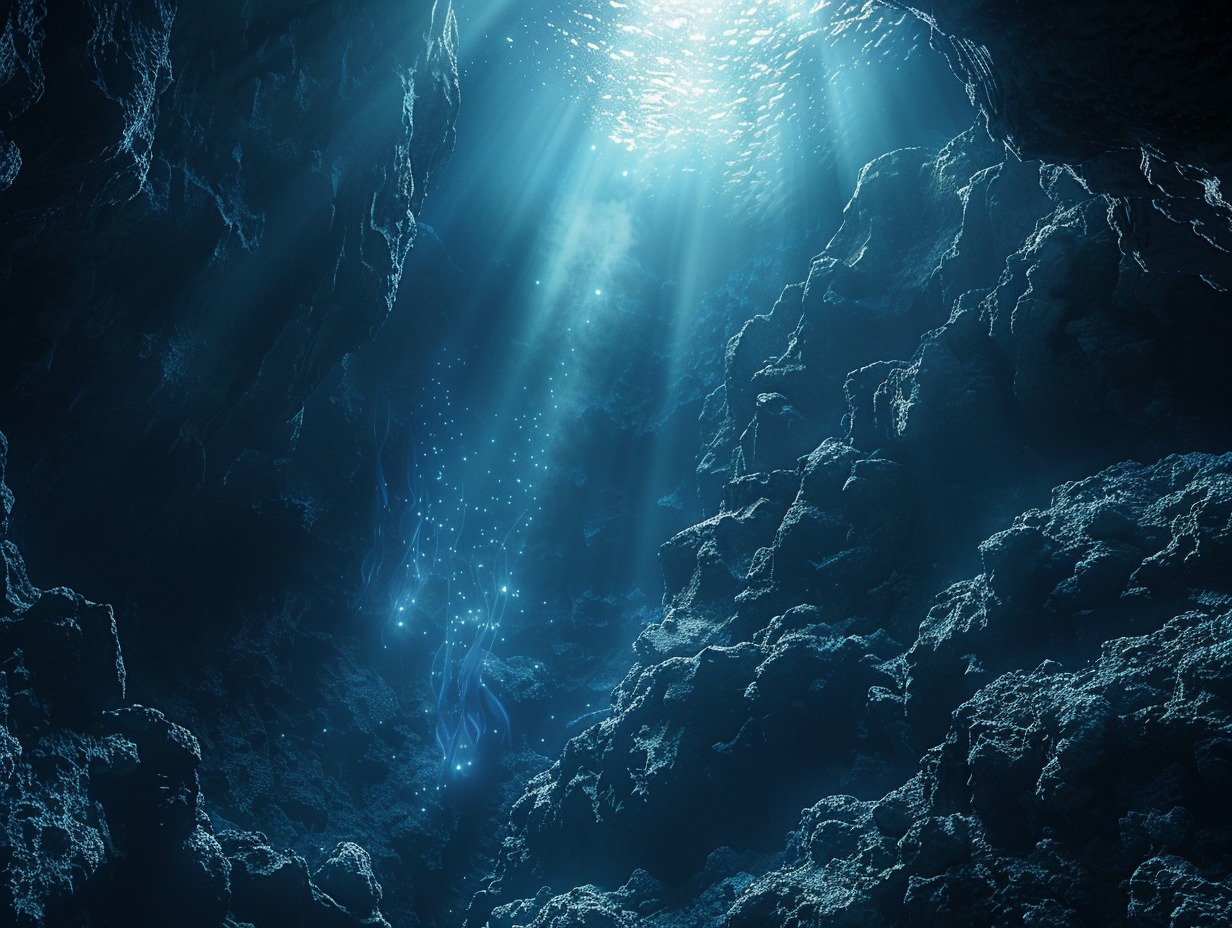
Life in Darkness: Adaptation and Biological Diversity at 4000 Meters Under the Sea
In the abyss, abyssal fauna displays unparalleled biological ingenuity to adapt to the extreme conditions of darkness and pressure. These organisms, silent witnesses to the most advanced survival mechanisms, have developed sophisticated biological adaptation strategies. The deep-sea ecosystems harbor a thriving life, where bioluminescence serves as sunlight and where chemosynthesis replaces photosynthesis.
The study of these species, which evolve thousands of meters below the ocean surface, reveals an incredible biological diversity. Creatures such as the giant squid, the lanternfish, and various species of cold-water corals, all adapted to darkness and crushing pressure, make up this living mosaic. These beings, by their mere existence, challenge our understanding of life and its limits.
Underwater robots, operated by seasoned explorers like Paul-Henri Nargeolet, are essential vehicles in this quest for knowledge. They collect valuable data that helps decipher the interactions within these mysterious biological communities. These advanced technologies open the doors to a world where each discovery alters our perception of life’s capabilities in the most inhospitable environments on Earth.
The health of deep marine ecosystems is an indicator of the overall health of our planet. Scientists are working to understand the consequences of human activities on these fragile habitats. In this perspective, raising awareness of the need to preserve these ecosystems is fundamental for the balance of the Earth’s biosphere. Deciphering the mysteries of the ocean depths is not just a scientific adventure; it is also a commitment to the conservation of marine biodiversity for future generations.