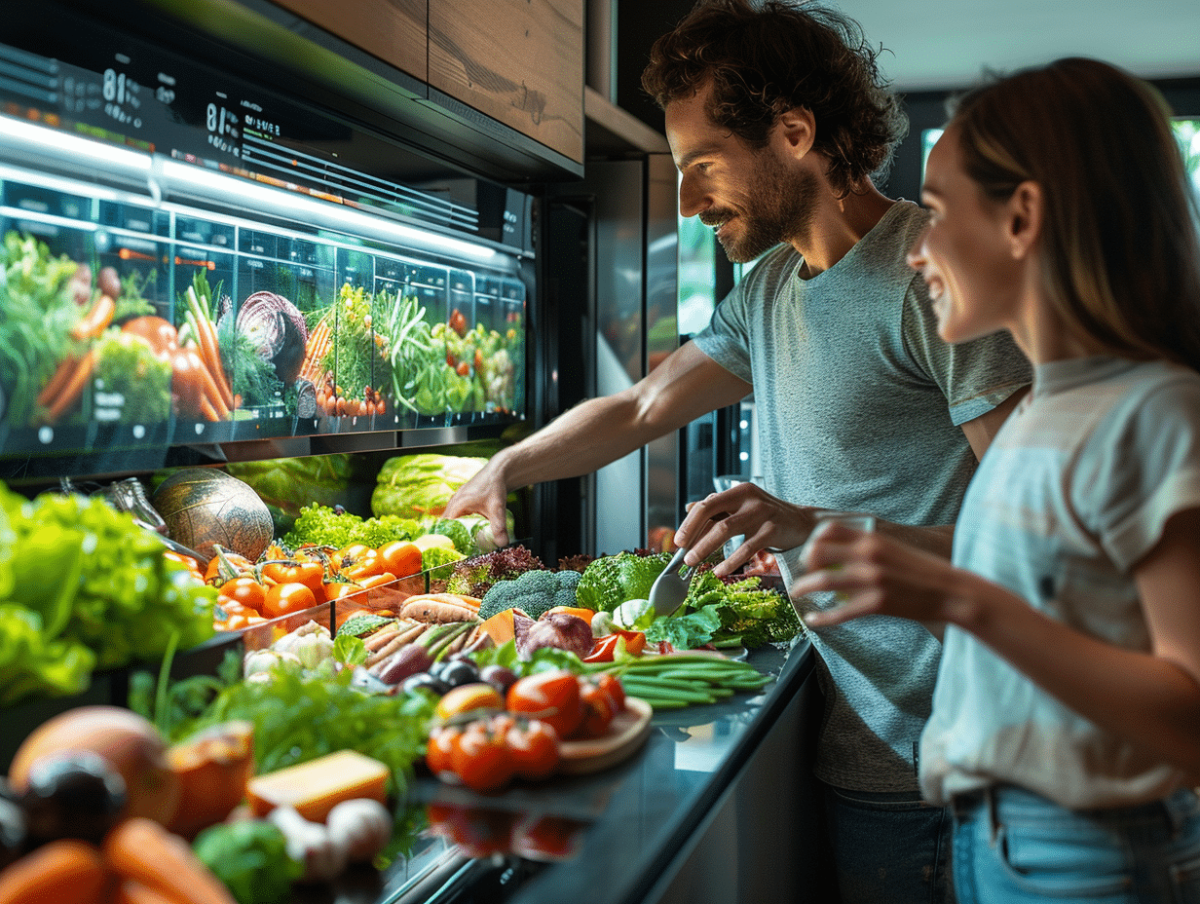
In the digital age, technology is infiltrating our kitchens, profoundly changing our eating behaviors. Mobile recipe apps suggest menus tailored to our tastes and nutritional needs, while voice assistants guide us step-by-step in preparing dishes. Online shopping is revolutionizing ingredient purchasing with home deliveries that enhance access to a variety of products, sometimes exotic. Moreover, connected gadgets, like smart scales or remotely controlled ovens, make cooking more precise and less burdensome. Culinary innovation thus comes with a redefinition of our relationship with food.
Impact of Technology on Food Preparation and Consumption
The tech revolution in your kitchen revolves around innovations that reshape the landscape of home gastronomy. Food processors, essential tools in many modern kitchens, are now allies for both amateurs and seasoned chefs. Capable of chopping, mixing, kneading, and preparing complex dishes, these machines facilitate recipe preparation and offer unmatched efficiency and precision in the kitchen. The ease of use of these devices democratizes culinary techniques that were once the domain of professionals.
Alongside this, sous vide cooking, a technique involving the cooking of vacuum-sealed foods at controlled temperatures, preserves flavors, nutrients, and texture, delivering exceptional results in the kitchen. This method, which transforms traditional cooking techniques, is becoming increasingly accessible thanks to the emergence of suitable equipment for households. The adoption of this technique reflects a quest for perfection on the plate, combining health and culinary pleasure.
At the heart of these developments, the question of autonomy arises sharply. Food technologies allow individuals to reclaim the culinary creation process while reducing the time and effort invested. They meet a dual demand: that of speed in line with our frantic lifestyles and that of personalization of taste experiences.
Beyond tools, these technological innovations bring about a substantial change in consumption itself. Eating habits are shaped by the availability of information and resources that were previously inaccessible or unknown to the general public. The impact of technology extends from food preparation to the act of consumption, including food preservation, redefining our relationship with food as a whole.

Technological Trends and Their Influence on Food Culture
Mobile apps such as Yummly, Tasty, and Allrecipes are transforming the way we discover and share cooking recipes. These online platforms, true crossroads of food culture, offer instant access to thousands of culinary options, transforming access to recipes and culinary inspiration. Their growing use plays a significant role in the dissemination of new trends and eating habits.
Yummly, for example, offers a highly personalized experience by adjusting its recommendations to the user’s preferences and dietary restrictions. This ability to adapt to individual needs encourages tailored culinary exploration, profoundly changing how individuals plan their meals and diversify their diets.
Tasty, on the other hand, has established itself as a source of global culinary inspiration. With its sharing features, this app facilitates the international dissemination of recipes, contributing to a hybridization of cuisines and an increased appreciation of gastronomic diversity. It embodies the role of technology in the formation of a globalized culinary heritage.
Allrecipes, for its part, functions as a vast exchange community where users can discover a wide variety of recipes and culinary inspirations. The platform encourages interactions and the sharing of know-how among food enthusiasts worldwide, substantially altering eating behaviors and the transmission of culinary knowledge.
These technological tools shape not only our food choices but also our relationship with food. They act as agents of change, influencing food culture through information exchange and the creation of communities. Technology not only transforms food preparation methods; it also redefines how we think about, share, and savor cooking.