
Photovoltaic solar energy converts light radiation into direct current electricity using semiconductor cells, typically made of silicon. This current is then transformed into alternating current by an inverter, making it compatible with the domestic grid. Understanding this basic mechanism helps to grasp why the sizing of a system and the household’s consumption profile directly determine the level of achievable savings.
Buyback rate for surplus solar in 2026: a shift in economic logic
For several years, selling excess solar electricity back to the grid was a significant profitability lever for individuals. This model has suddenly lost its appeal.
The decree of June 1, 2026, reduced the buyback rate for surplus from installations of less than 9 kWc to 1.1 euro cent per kWh, down from 12.69 cents at the beginning of 2025, according to Tom’s Guide. In practical terms, each kilowatt-hour injected into the grid now earns almost nothing.
This shift changes the strategy to adopt: the goal is no longer to produce as much as possible for resale, but to directly consume the electricity produced by one’s panels. Self-consumption becomes the central pillar of the profitability of a residential installation. Detailed technical information on solutions suitable for this new context is available on energieosolr.fr, which covers the various possible configurations for individual homes.
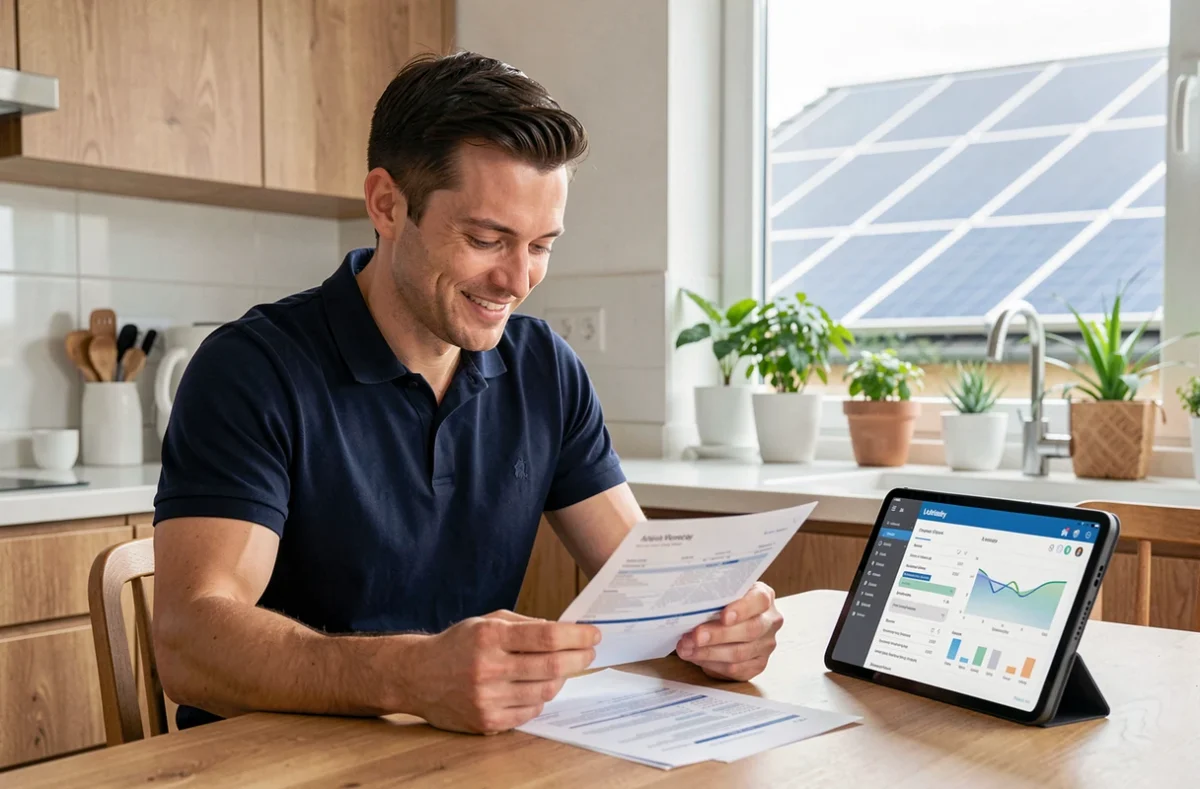
Solar self-consumption rate: what the numbers really show
The self-consumption rate refers to the portion of solar electricity produced that is directly used by the household, without going through the grid. It is the indicator that determines the actual level of savings on the bill.
Without particular optimization, this rate generally ranges between 35 and 45%, according to UFC-Que Choisir. The rest of the production is injected into the grid, now at a nearly zero rate.
Two levers to increase this rate
The first lever is to shift consumption to sunny hours. Scheduling the washing machine, water heater, or dishwasher during the day allows for a larger share of solar production to be absorbed. A field return from a 6 kWc installation in Lyon reports a self-consumption rate of 50% thanks to this type of management.
The second lever is the home battery. With properly sized storage, the self-consumption rate can reach 70 to 80%, according to Que Choisir. The battery captures the surplus produced during the day and releases it in the evening, when consumption resumes.
Home solar battery: profitability depending on household profile
Adding a battery to a photovoltaic installation does not automatically guarantee a financial gain. Profitability depends on three concrete factors:
- The size of the battery in relation to the actual production of the installation and the available surplus. Oversizing means paying for unused storage capacity.
- The household’s consumption habits: a household that is absent during the day and consumes mainly in the evening will benefit more from storage than a household already well-tuned to solar hours.
- The total cost of the installation, including the battery. Recent analyses recommend sizing storage based on the surplus actually available, not based on total production.
A household that combines solar panels with energy-hungry controllable equipment (heat pump, electric vehicle charging) increases the value of each kilowatt-hour stored. Without these uses, the return on investment for the battery is significantly extended.
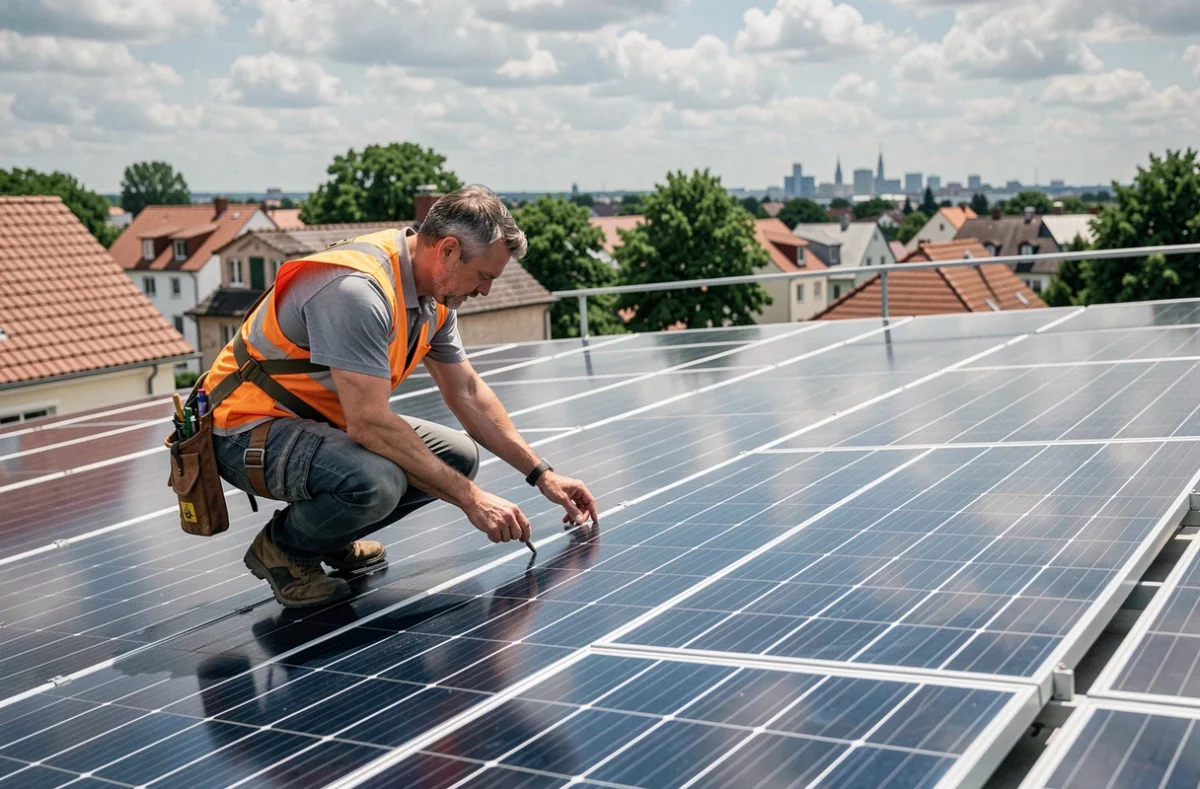
Controllable equipment and installation power: concrete trade-offs
Controllable equipment represents a lever as crucial as the battery for transforming a solar installation into a source of sustainable savings. This includes any device whose operation can be shifted in time without affecting daily comfort.
Which equipment to prioritize for control
- The electric water heater, whose consumption can be entirely shifted to solar production hours.
- The heat pump, which can preheat or cool the home during peaks of photovoltaic production.
- The charging of an electric vehicle, programmable to coincide with maximum sunlight periods.
The power of the installation in kWc must be calibrated according to these uses. A 3 kWc installation is sufficient for a household with moderate needs, while a home equipped with a heat pump and an electric vehicle requires higher power to cover a significant portion of its needs.
Choosing the right power avoids two pitfalls: undersizing (and only covering a marginal fraction of consumption) or oversizing (and producing a massive surplus sold at a derisory rate).
Administrative procedures for a residential solar installation
Any installation of photovoltaic panels on a home requires a prior declaration of works to the town hall, in accordance with urban planning rules. Low-power installations (plug-and-play kits) are not exempt from this obligation as long as they modify the external appearance of the building.
For grid-connected installations with surplus sales, a contract must be signed with an obligated buyer. The procedure includes the connection request to Enedis and obtaining an electrical compliance certificate (Consuel).
The use of a certified RGE installer is a prerequisite for accessing public aid. Without this certification, investment grants and buyback conditions do not apply. Checking this qualification before signing a quote remains a necessary precaution.
The profitability of a residential solar installation now relies almost entirely on self-consumption and intelligent management of electrical uses. In the face of the collapse of the surplus buyback rate, each kilowatt-hour consumed on-site is worth several times more than that injected into the grid. The choice of power, the programming of equipment, and the potential sizing of a battery form a triptych to be evaluated together, not separately.